Working on the
Code of Life
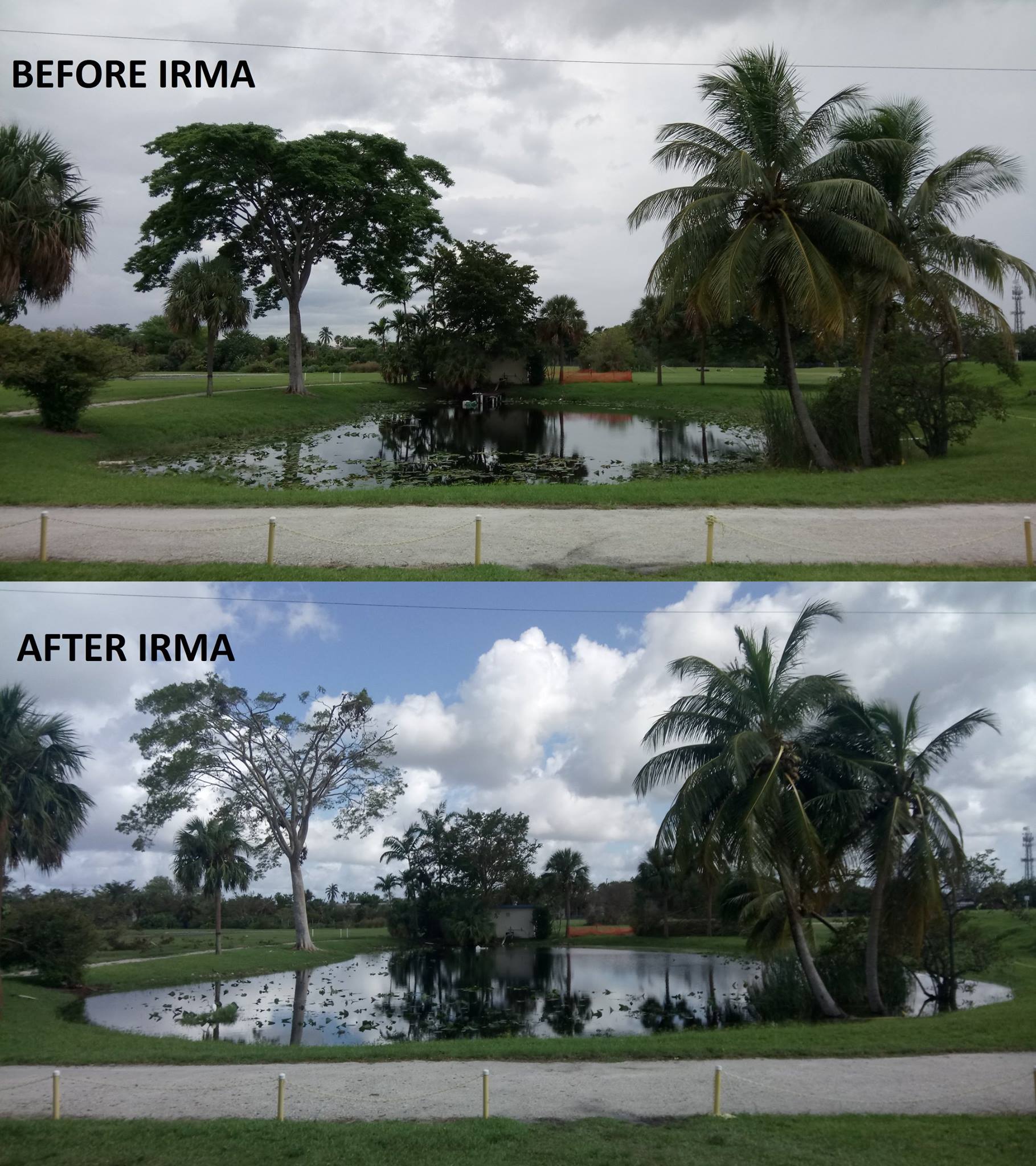
I'm a molecular ecologist and environmental microbiologist based in Estonia. My work spans from the dark anoxic depths of the Baltic Sea to sunny Florida Everglades within our natural environments. Furthermore, I have additionally looked into grey infrastructure (WBE, drainage biofilms) — deciphering how microbial communities shape, and are shaped by, their environments through the lens of modern molecular diagnostics and genomics.
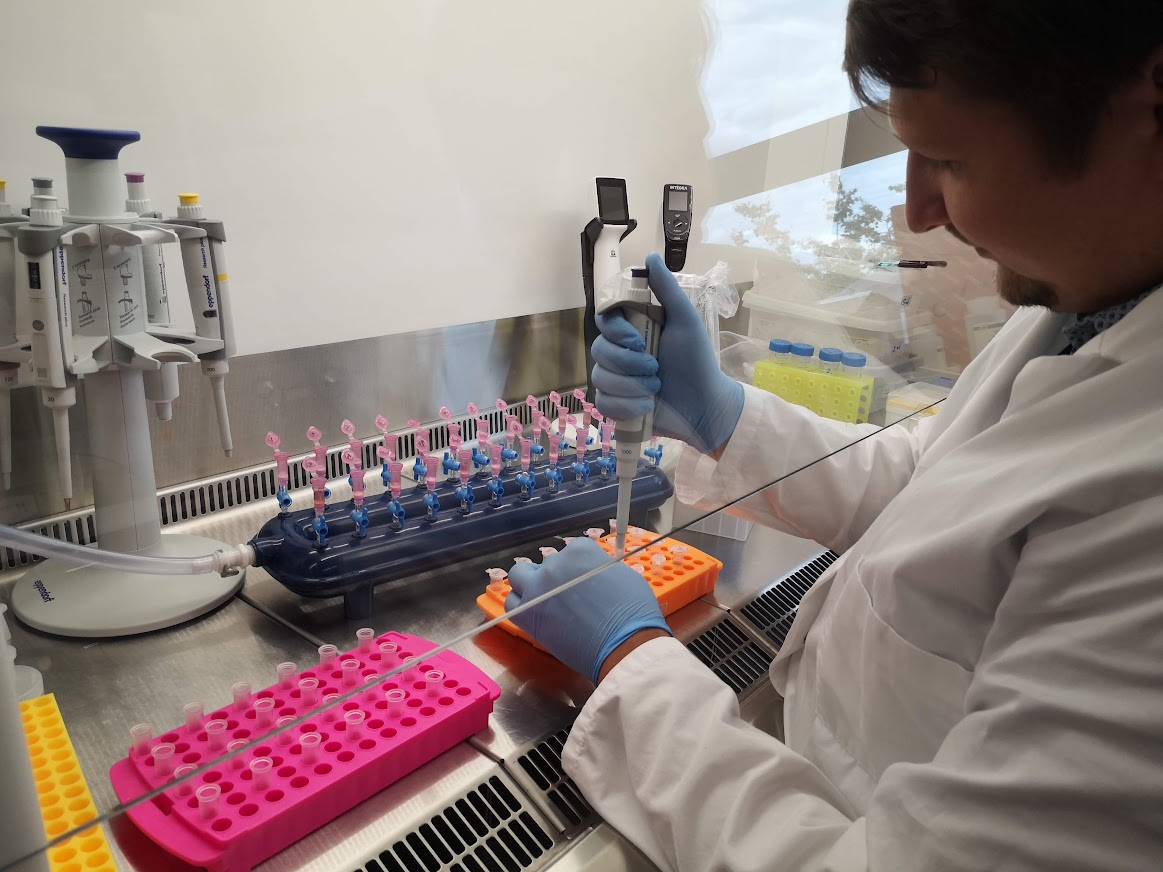
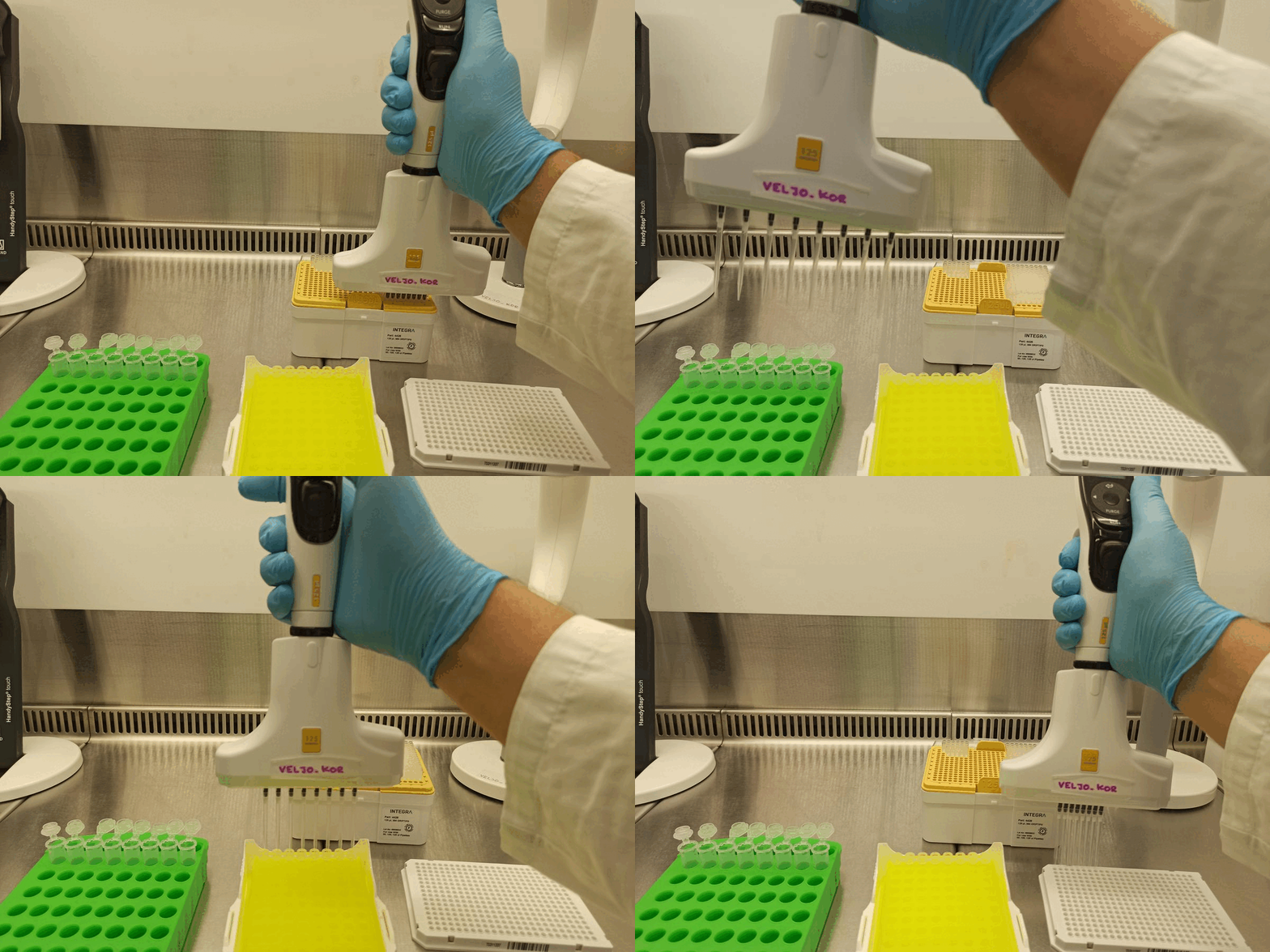
Molecular Diagnostics
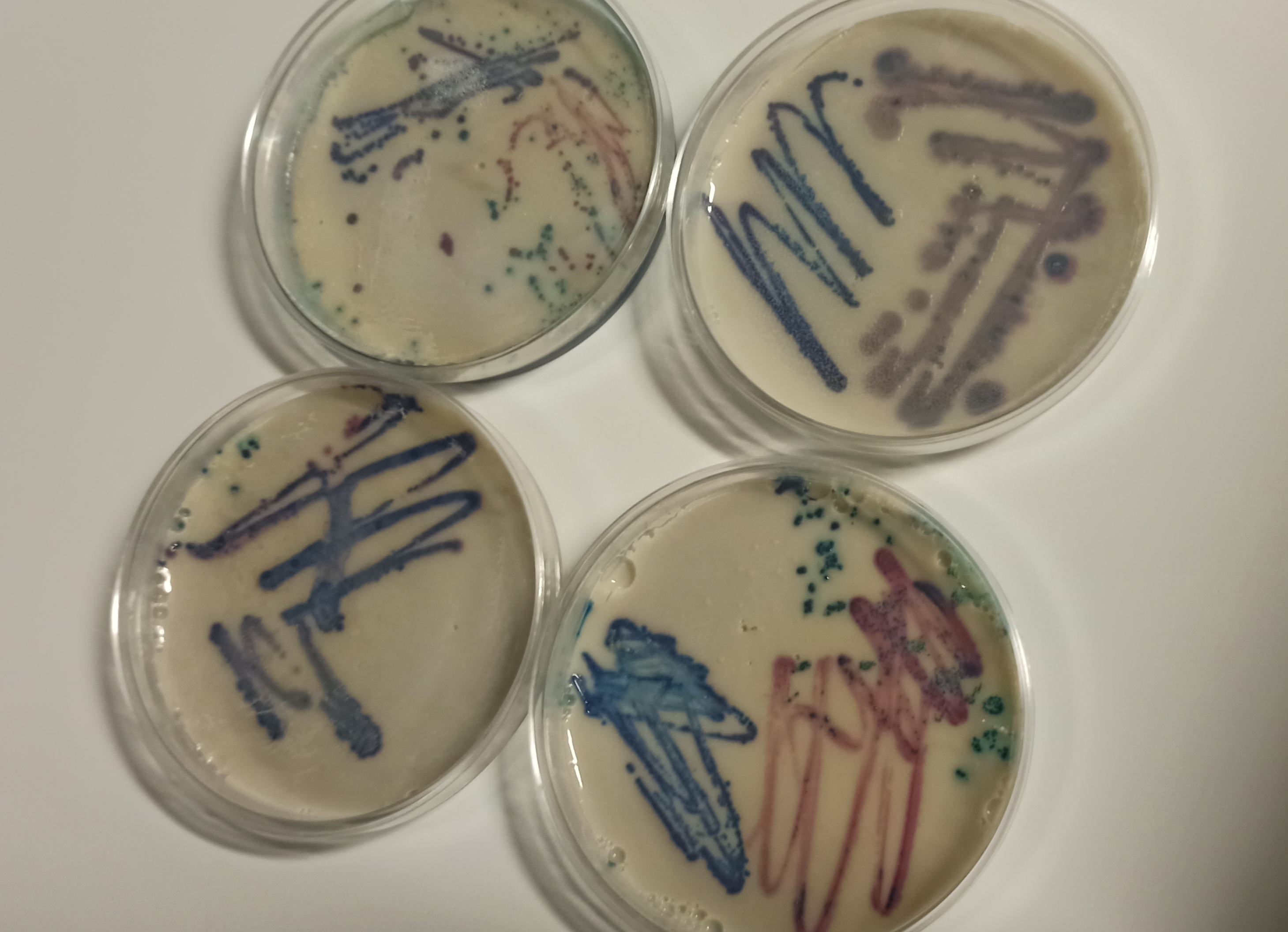
Wastewater-based epidemiology, SARS-CoV-2 surveillance, antimicrobial resistance tracking, and genomic microbial source tracking.
Microbial Ecology
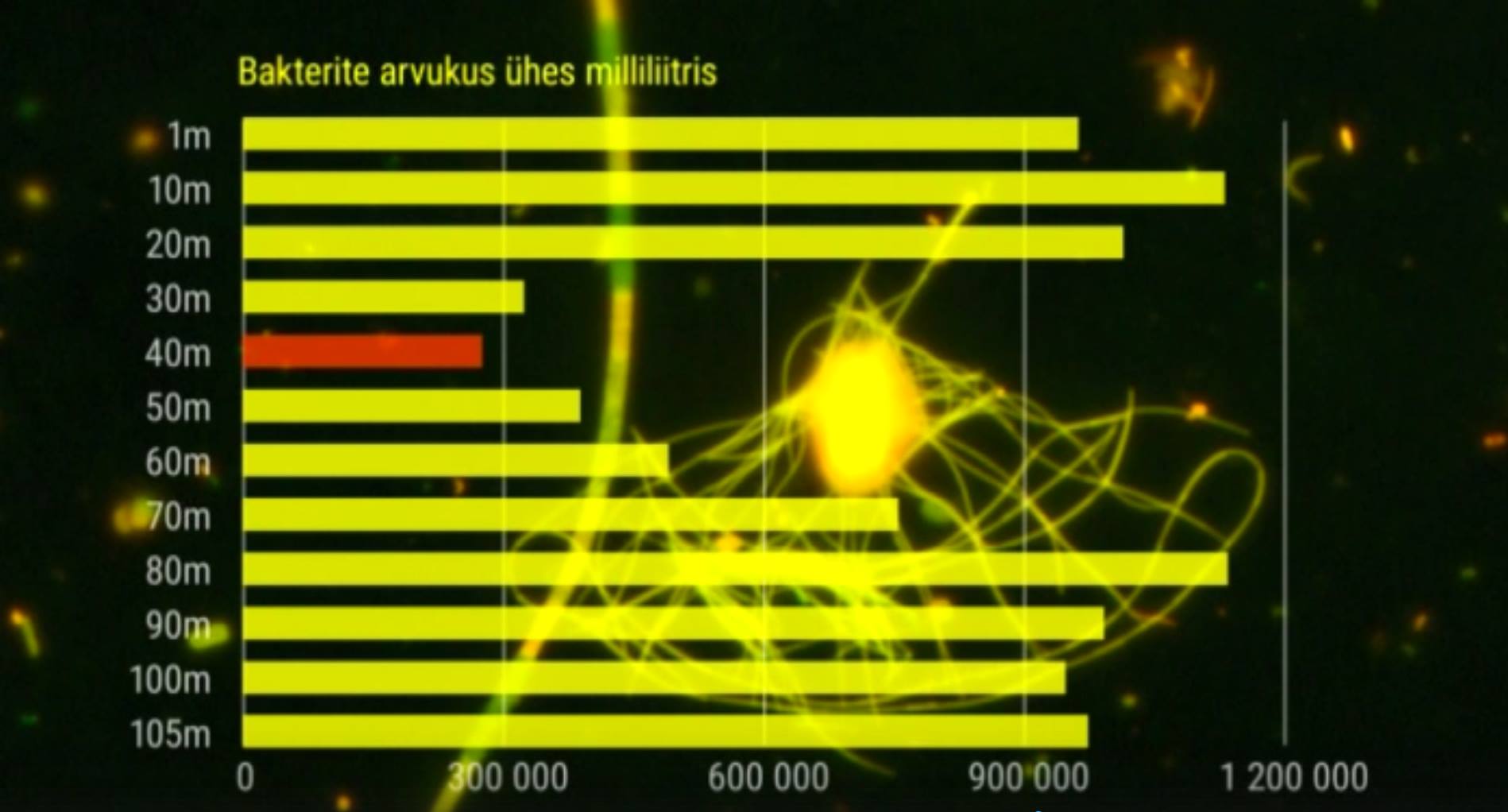
Spatiotemporal bacterioplankton dynamics in the Baltic Sea, Florida Everglades, and Keys Archipelago anoxic "dead zones".
Urban Water Systems
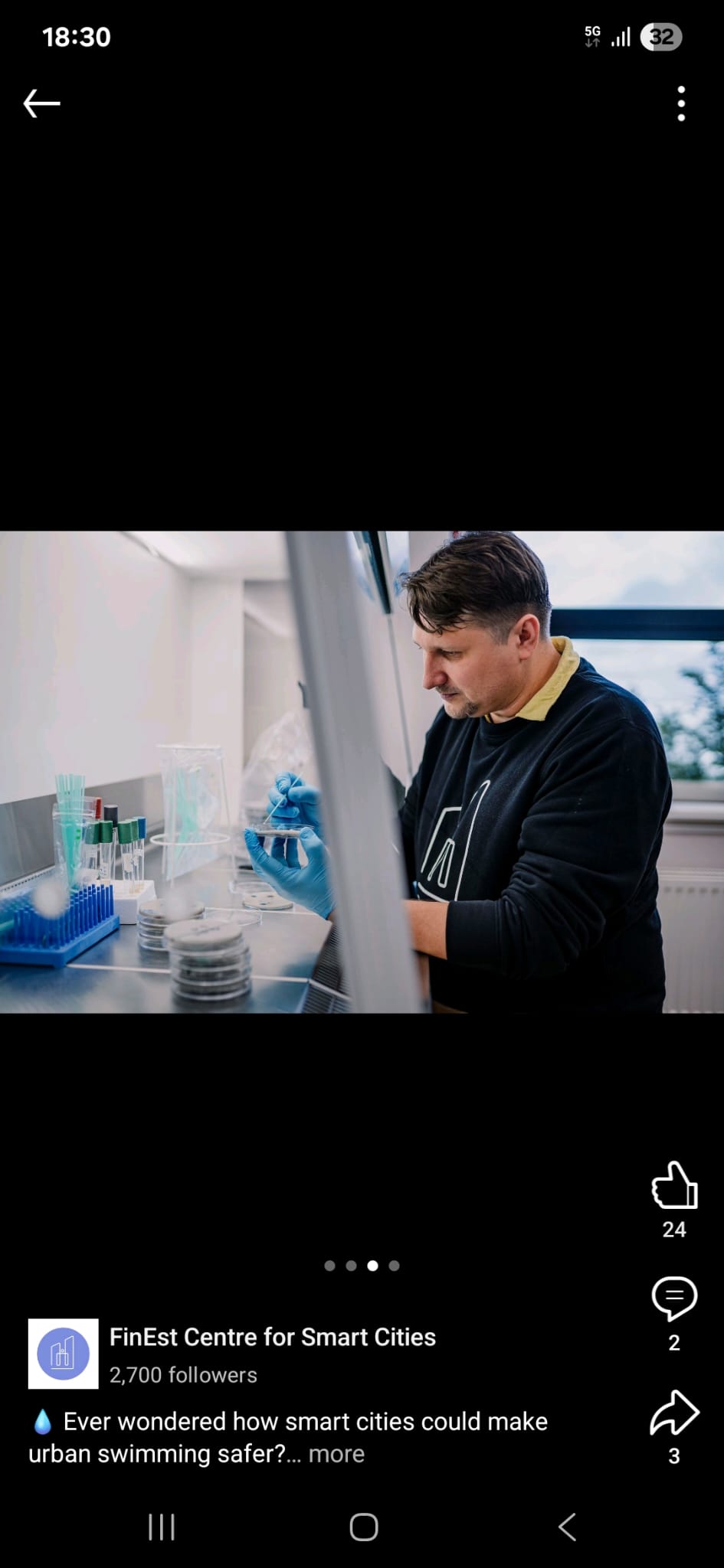
Smart city monitoring of urban water environments via the FinEst Centre for Smart Cities initiative.
Microplastics & Biofilms
Plastisphere research — how biofilms on marine microplastics act as vectors for microbial transport and pathogens.
Current Work
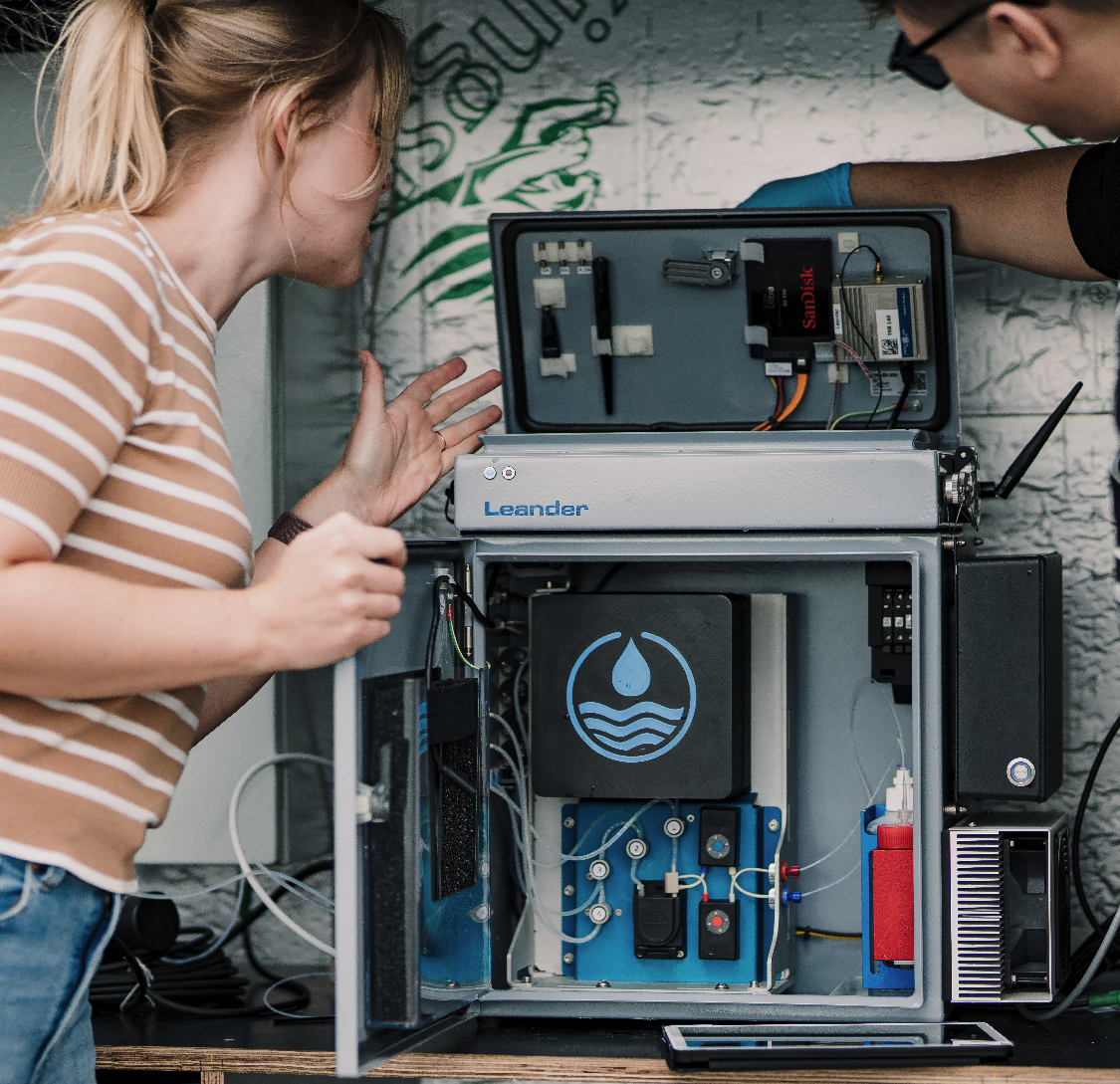
UrbanSplash: Smart City Water
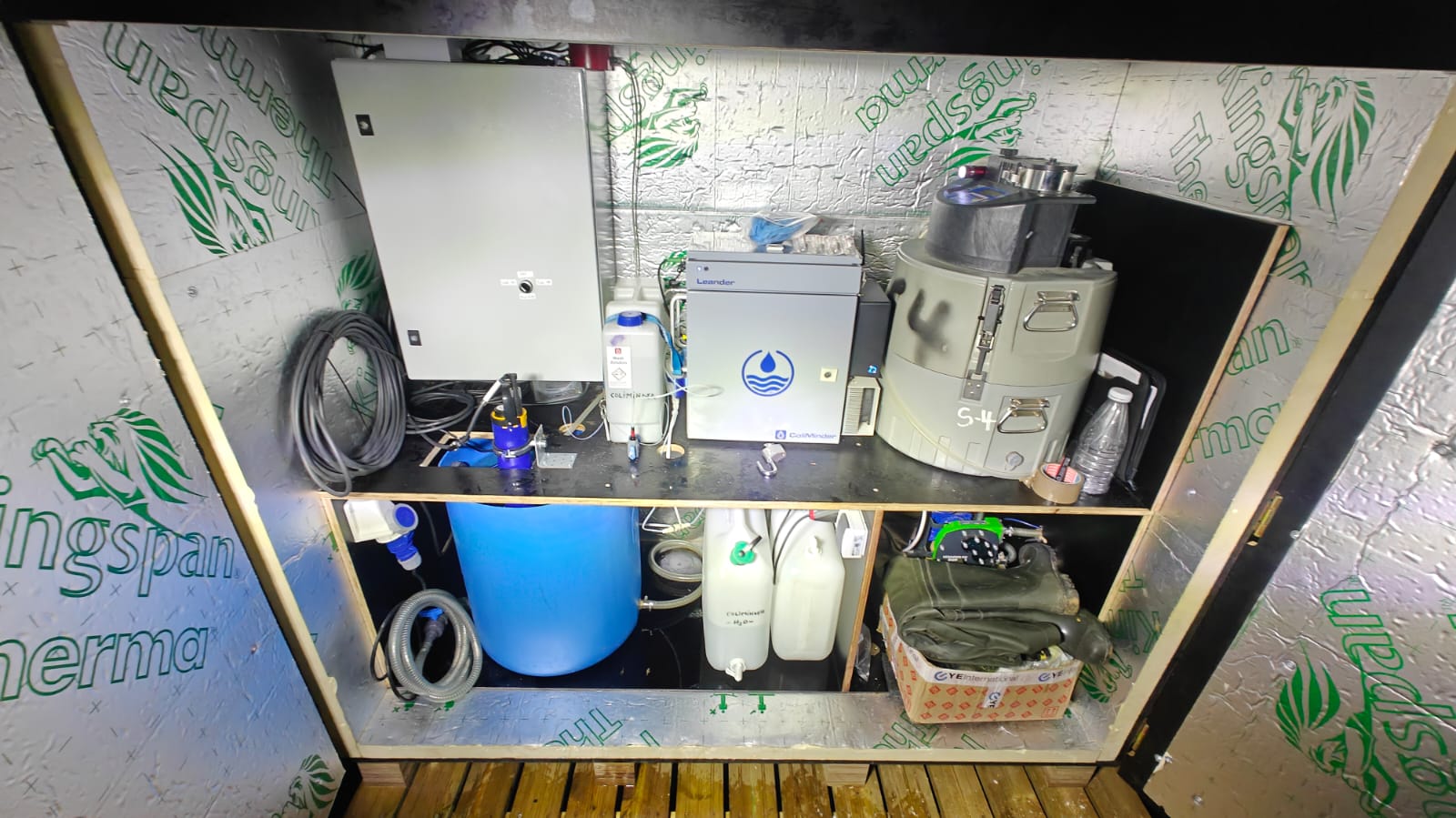
Implementing smart technologies to monitor and manage urban water environments. The pilot project develops sensor networks and molecular diagnostic tools capable of real-time water quality assessment and early-warning surveillance for urban catchments.
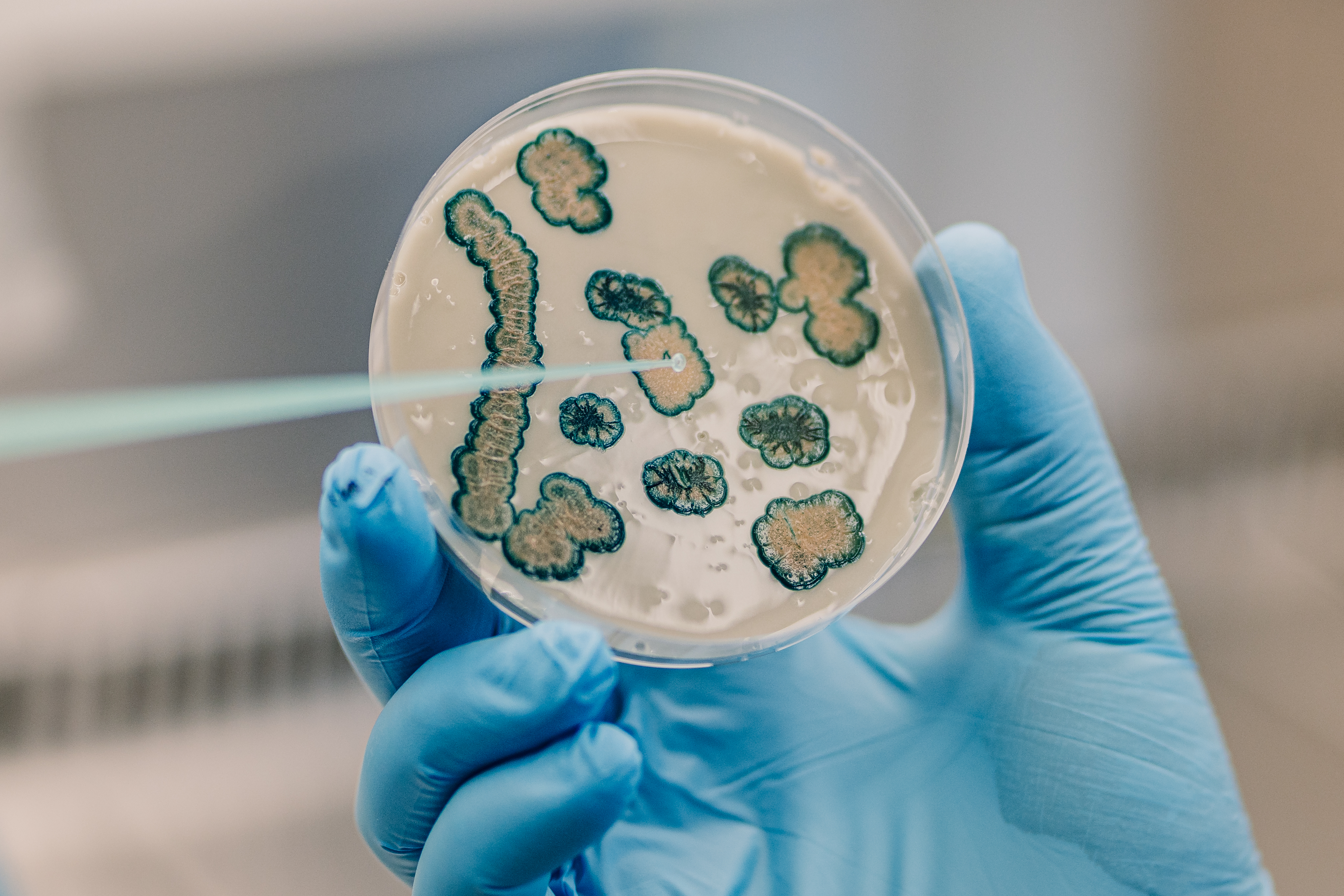
The Marine "Plastisphere"
Investigating how biofilms colonising marine microplastics serve as vectors for microbial transport, including potential pathogens. The "plastisphere" — the microbial community bound to plastic surfaces — represents a novel, globally distributed ecological niche with poorly understood public-health implications.
Past Work
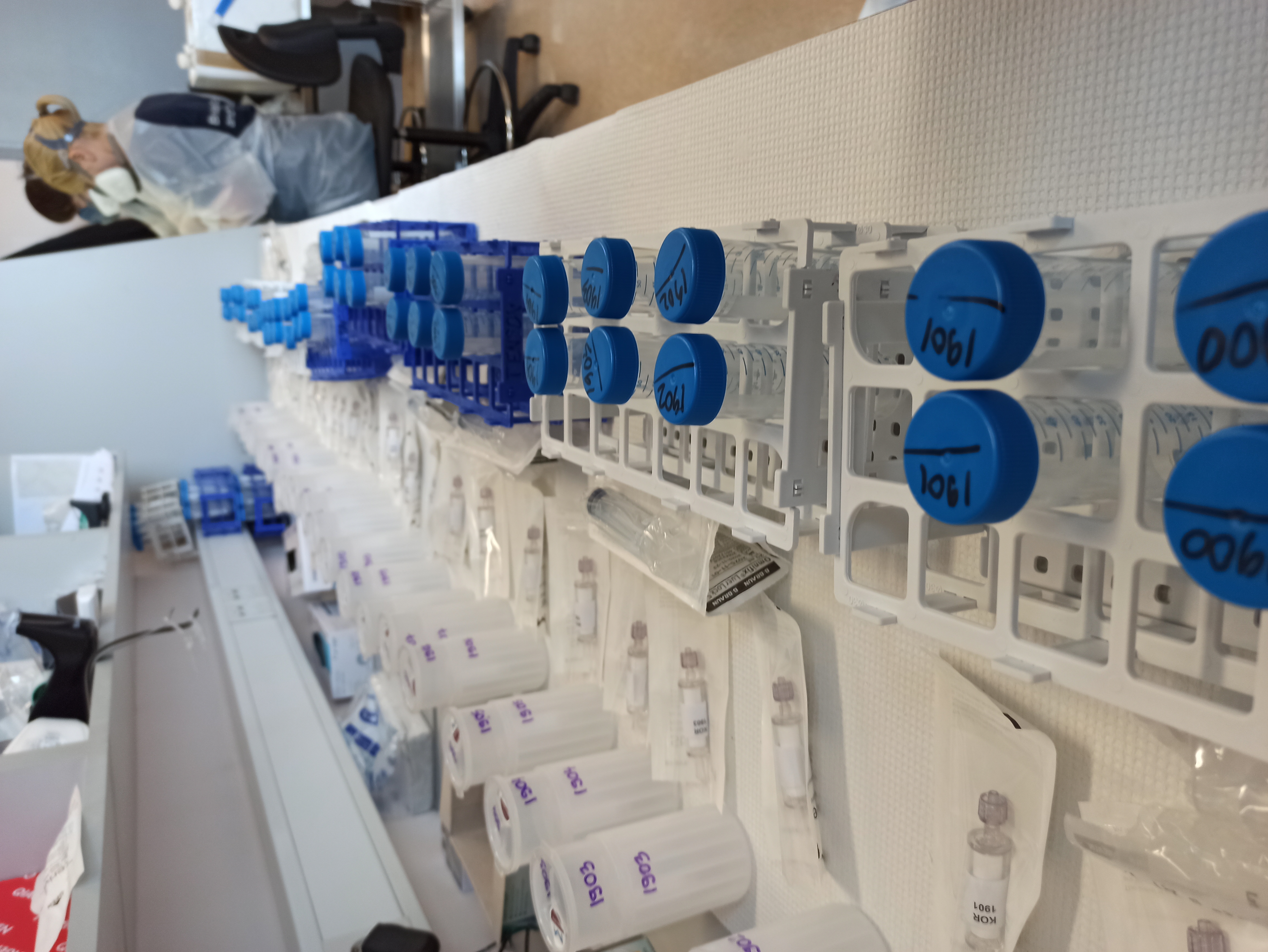
COVID-19 Wastewater Surveillance
Lead role in establishing Estonia's nationwide SARS-CoV-2 wastewater monitoring system. The programme provided government-facing early-warning epidemiological data and developed validated tools for sequencing SARS-CoV-2 from wastewater samples at national scale. Nominated for "Tartu Deed of the Year".
Baltic Sea Bacterioplankton Dynamics
Spatiotemporal characterisation of bacterioplankton communities across the Baltic Sea's environmental gradients — including hypoxic near-bottom zones and halocline stratification — to understand how physical and biogeochemical processes structure microbial diversity at multiple scales.
Education & Positions
Modern Methods in Molecular Ecology
Master-level course at Tallinn University. Bridges theoretical knowledge with practical lab work, focusing on DNA/RNA-based methods in ecology — amplicon sequencing, metagenomics, and bioinformatic pipelines.
Events & Honours
Presentations
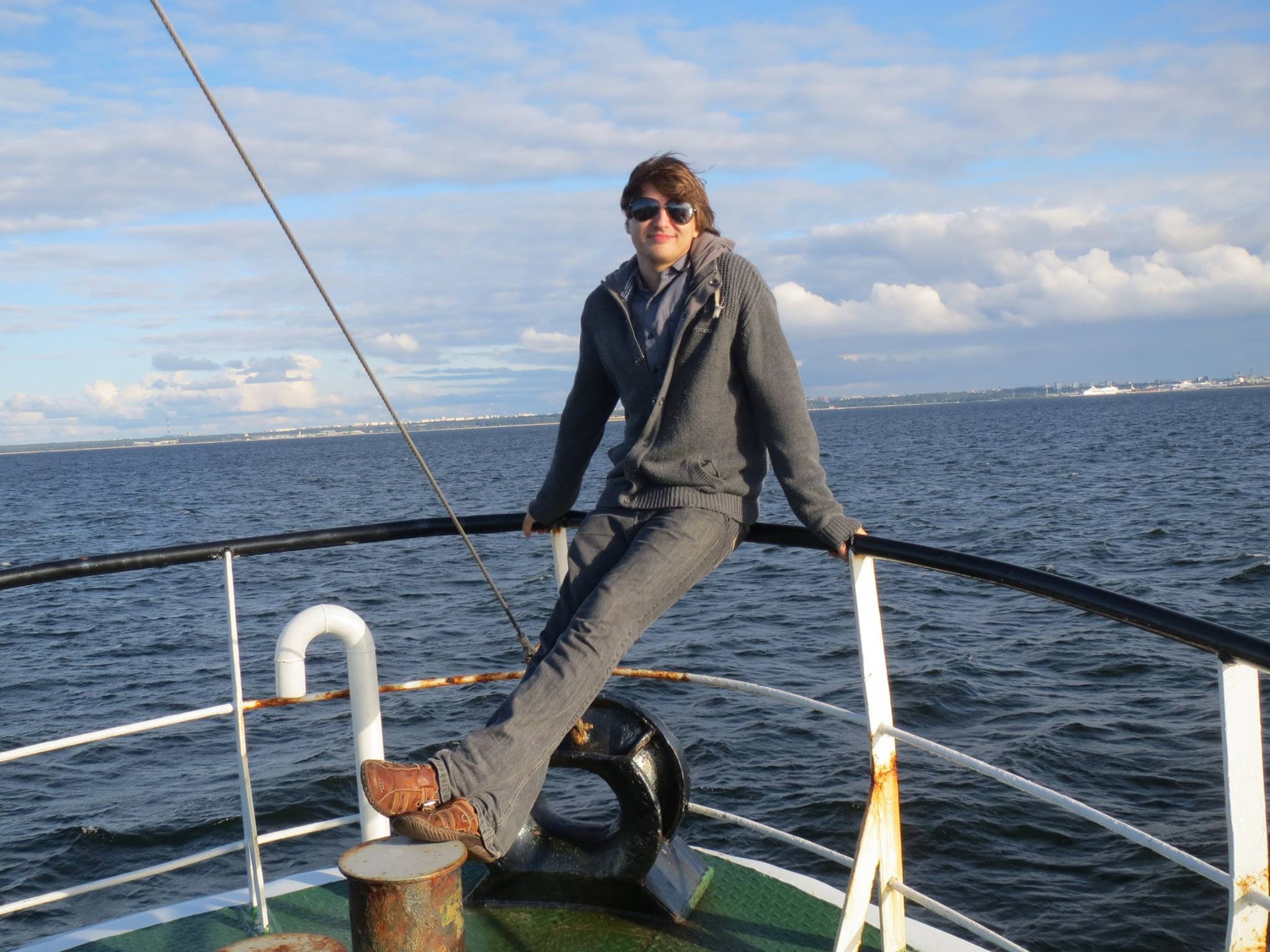
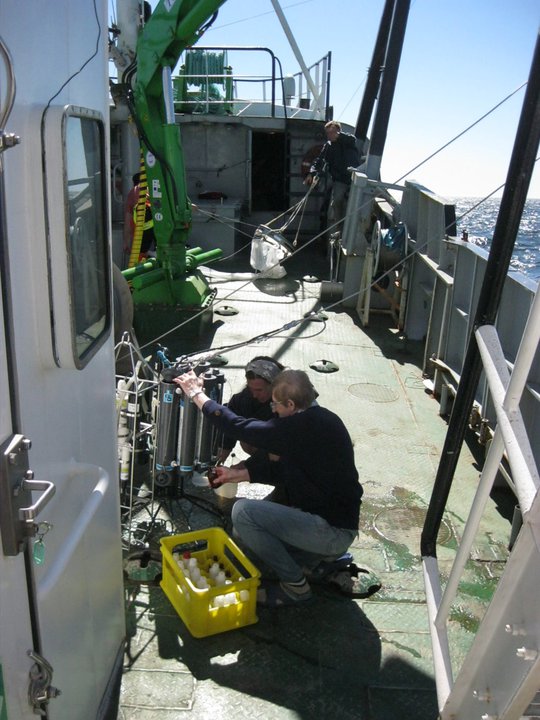
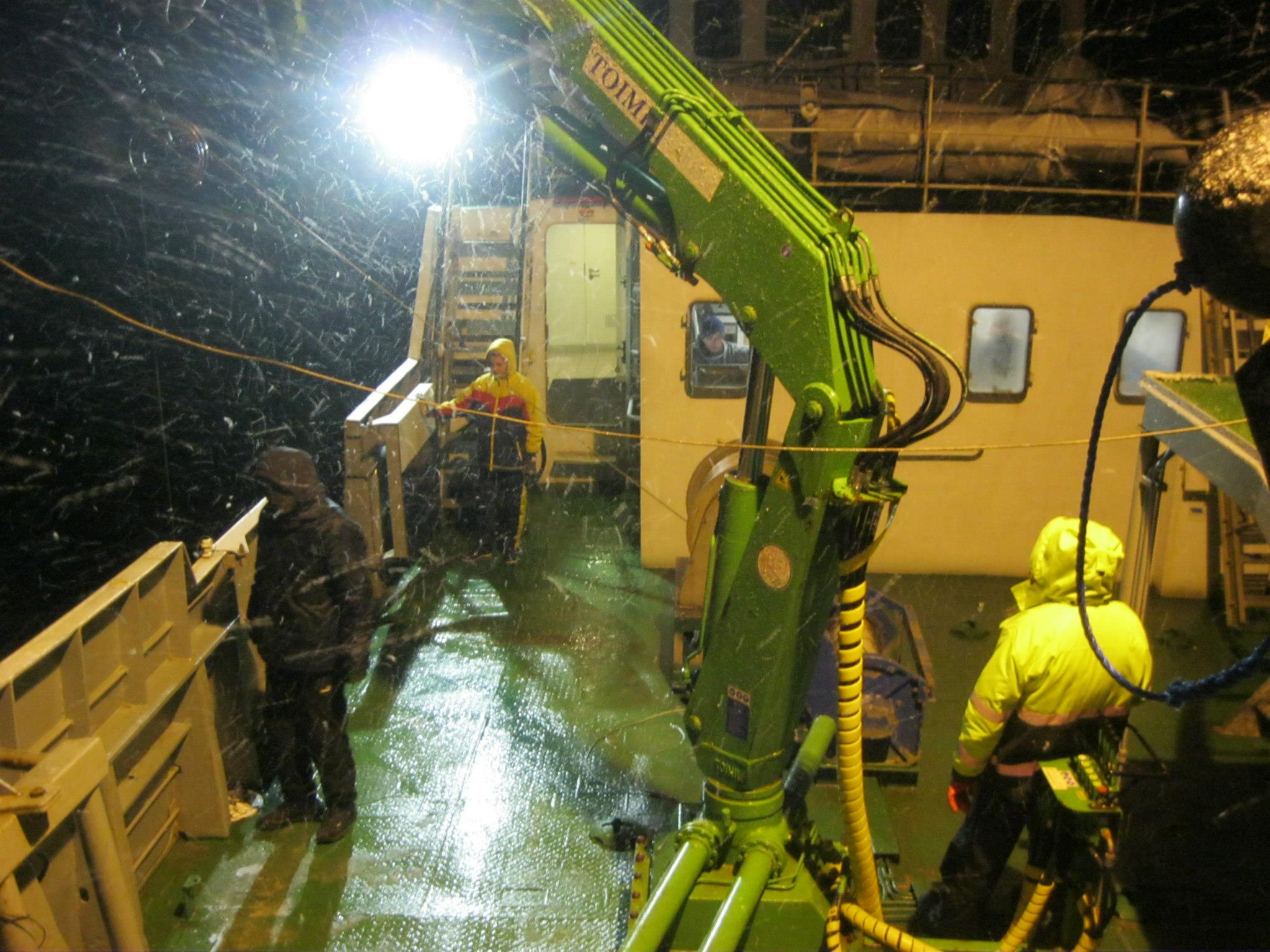
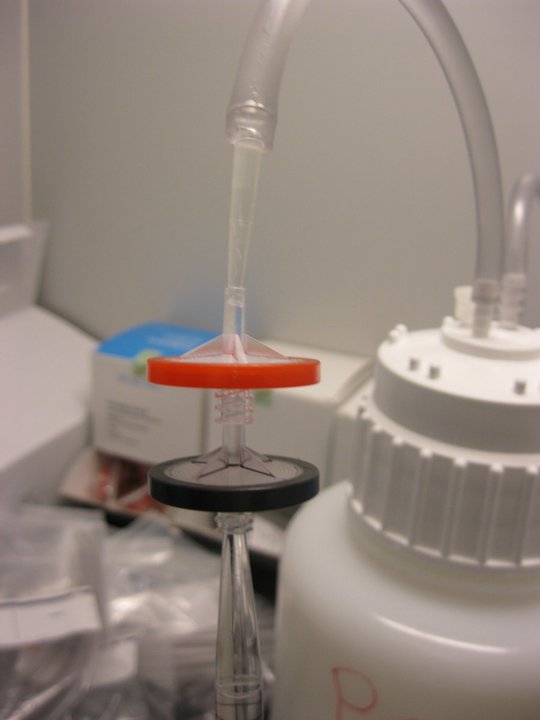
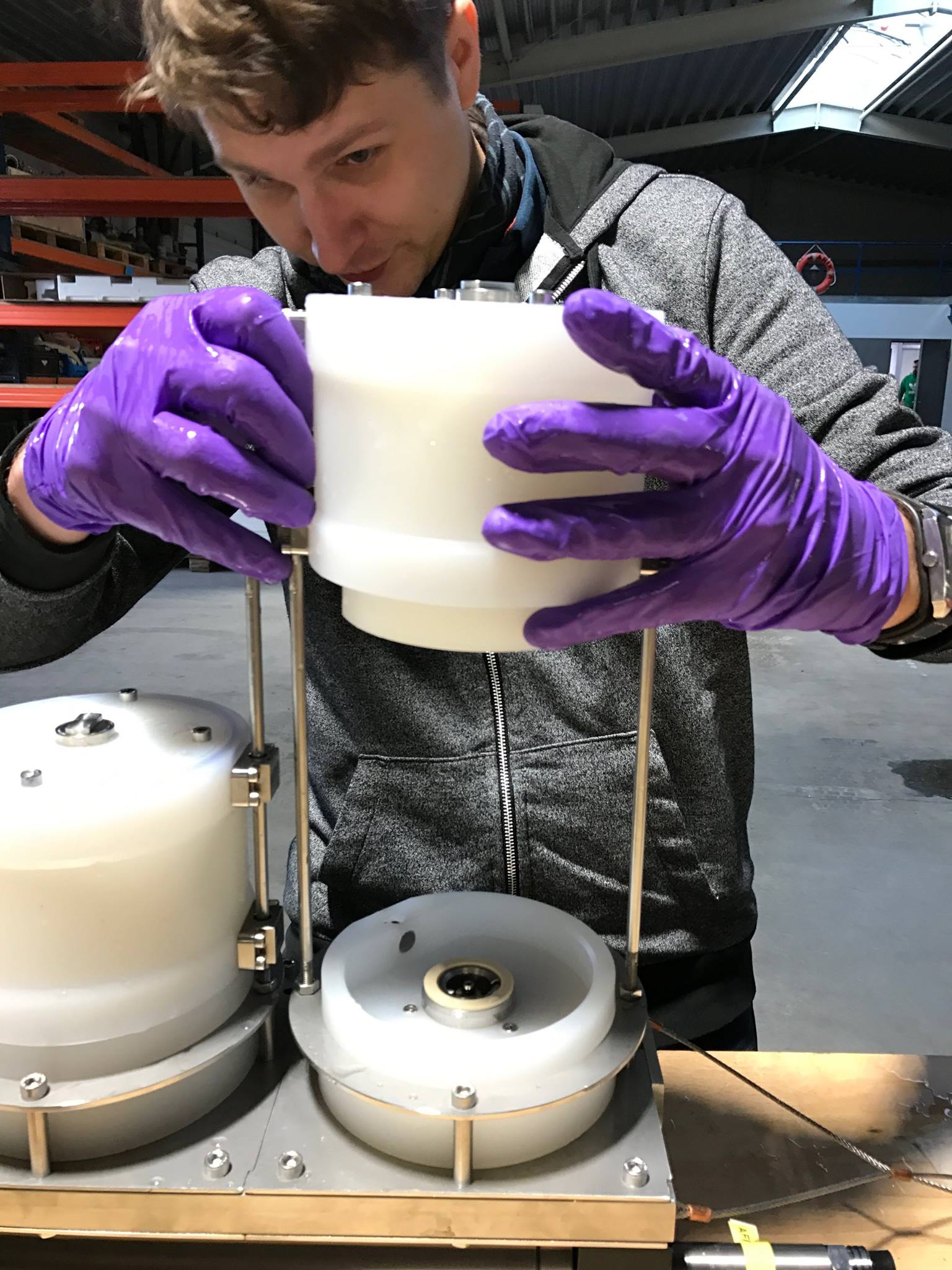
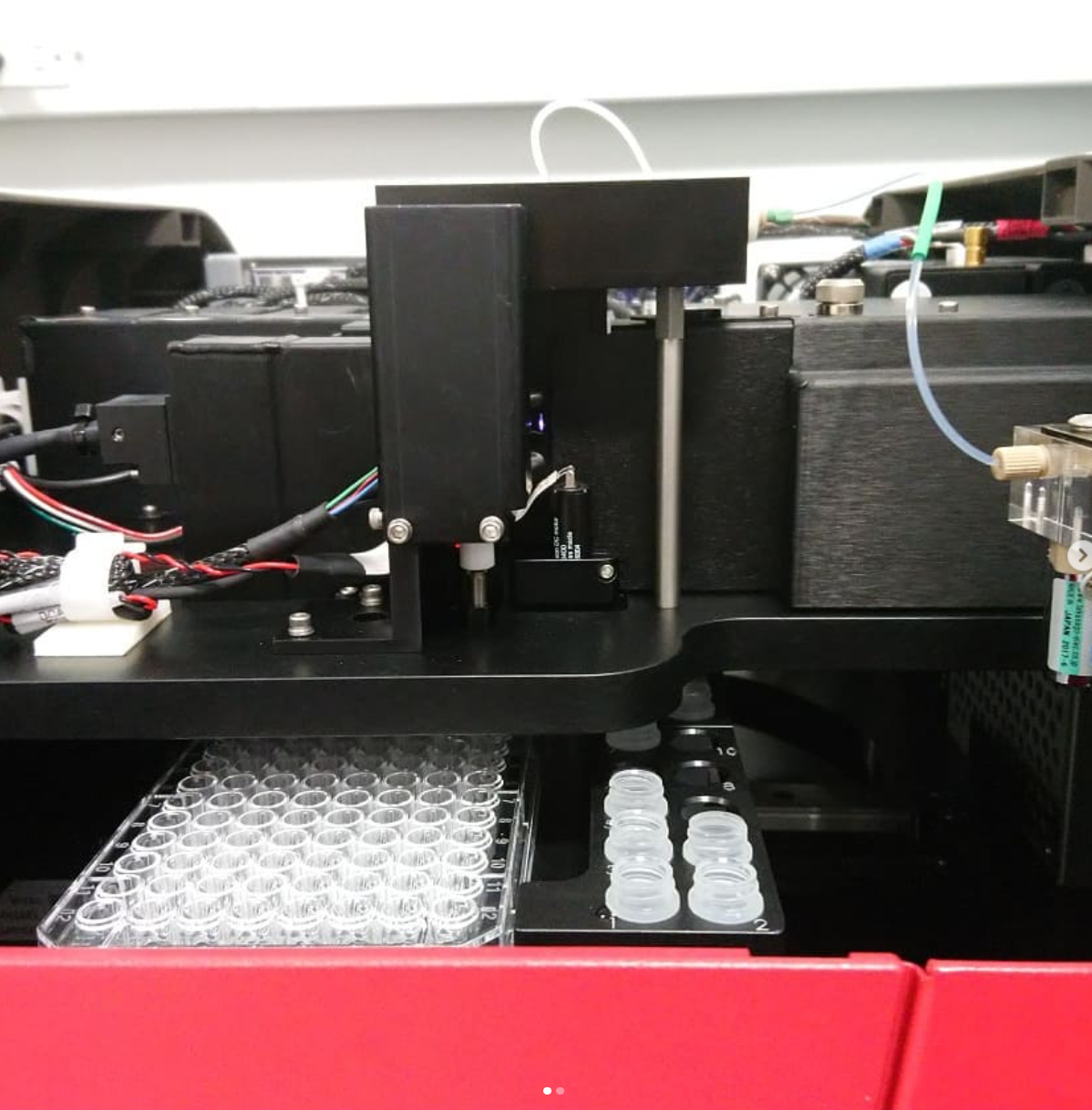
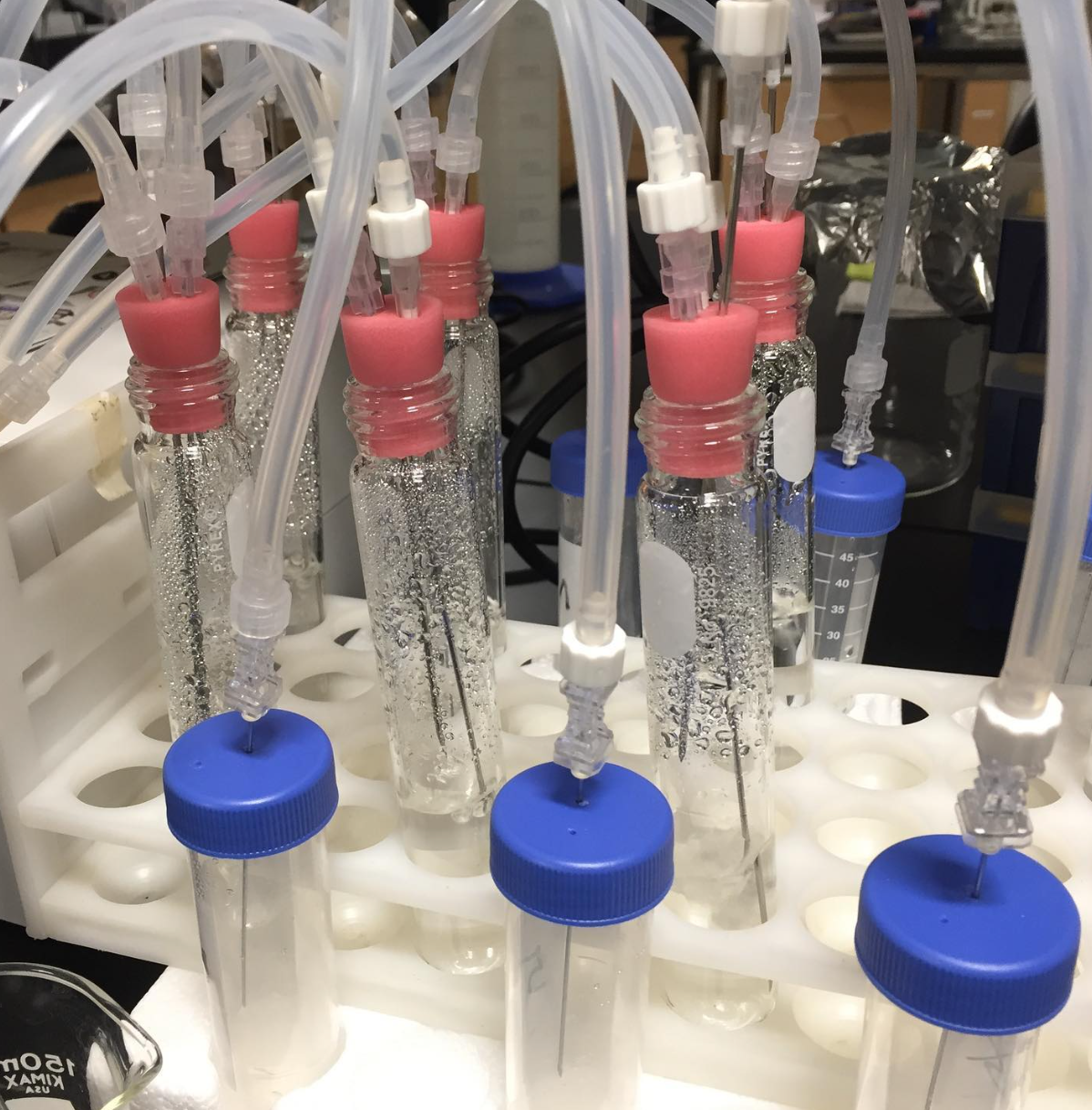
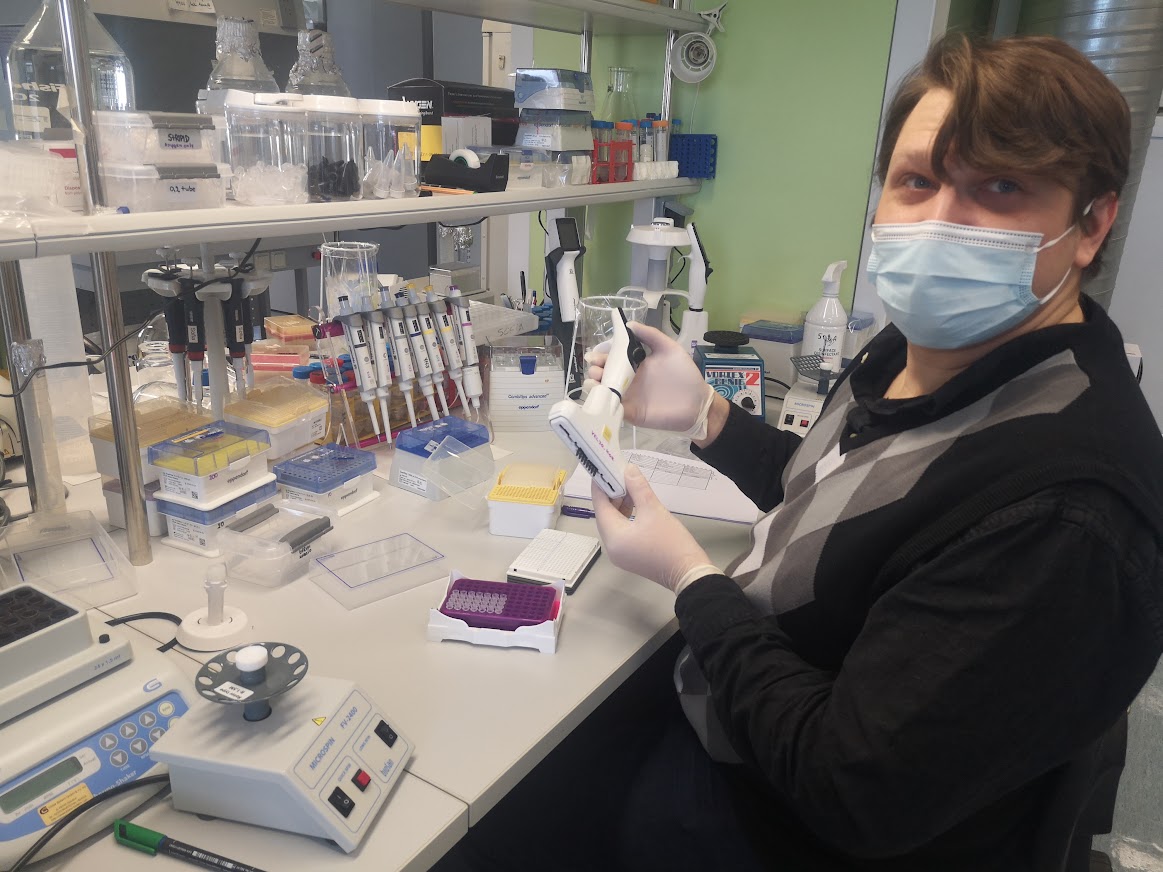
Research in Pictures
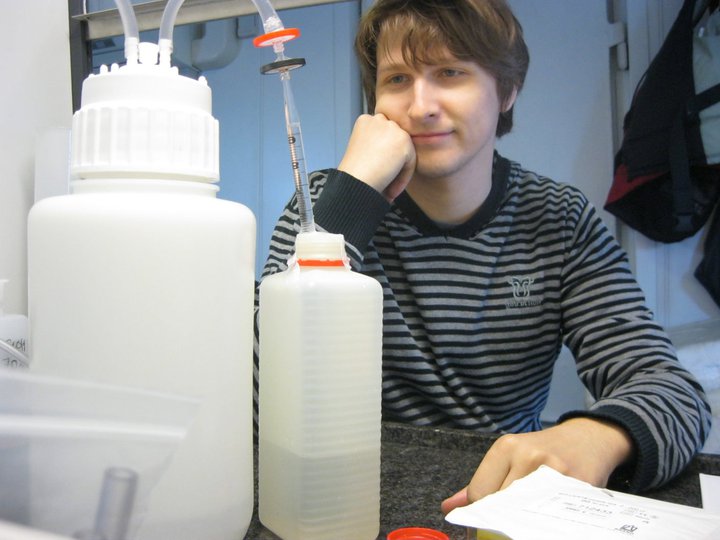
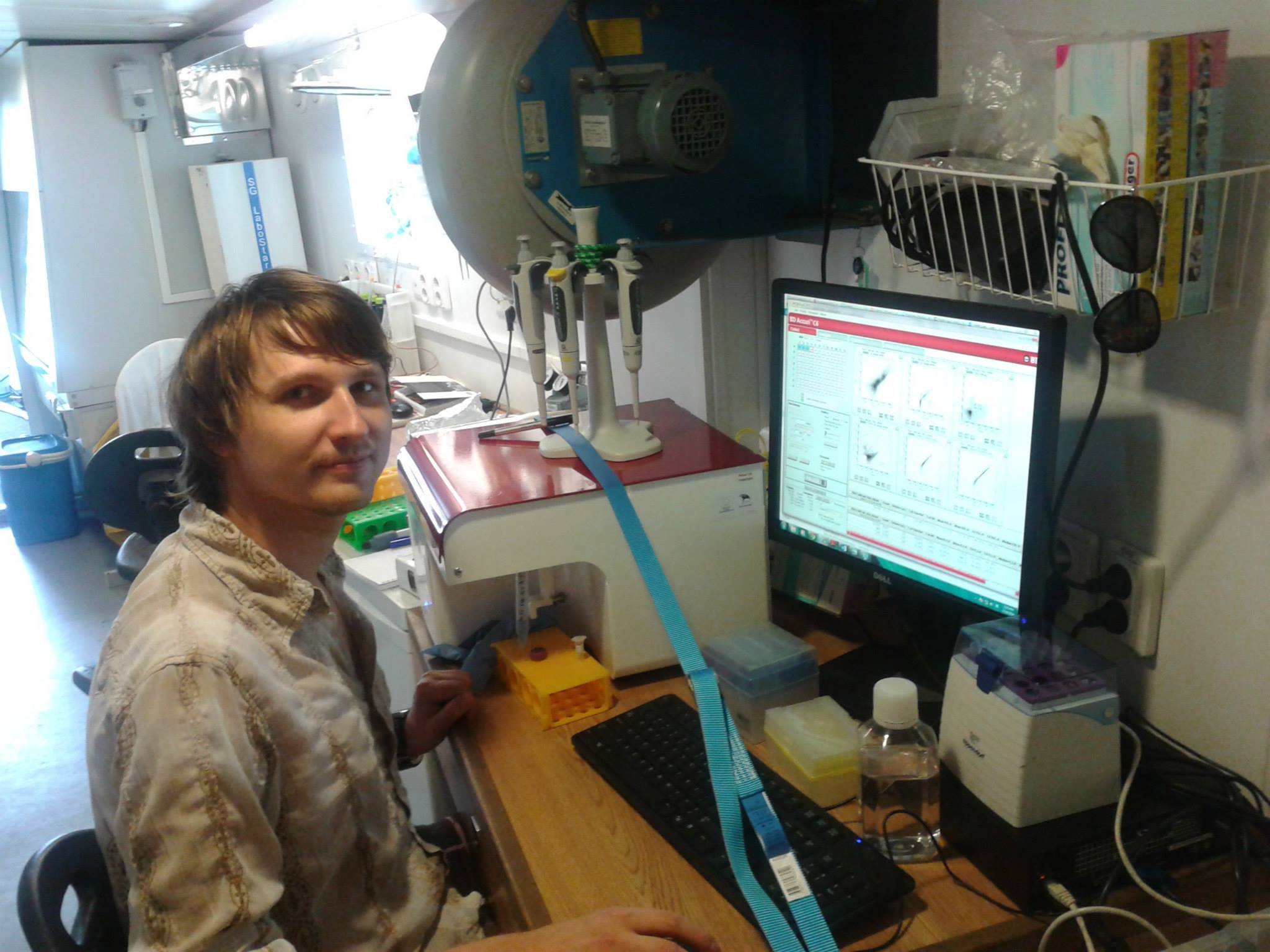
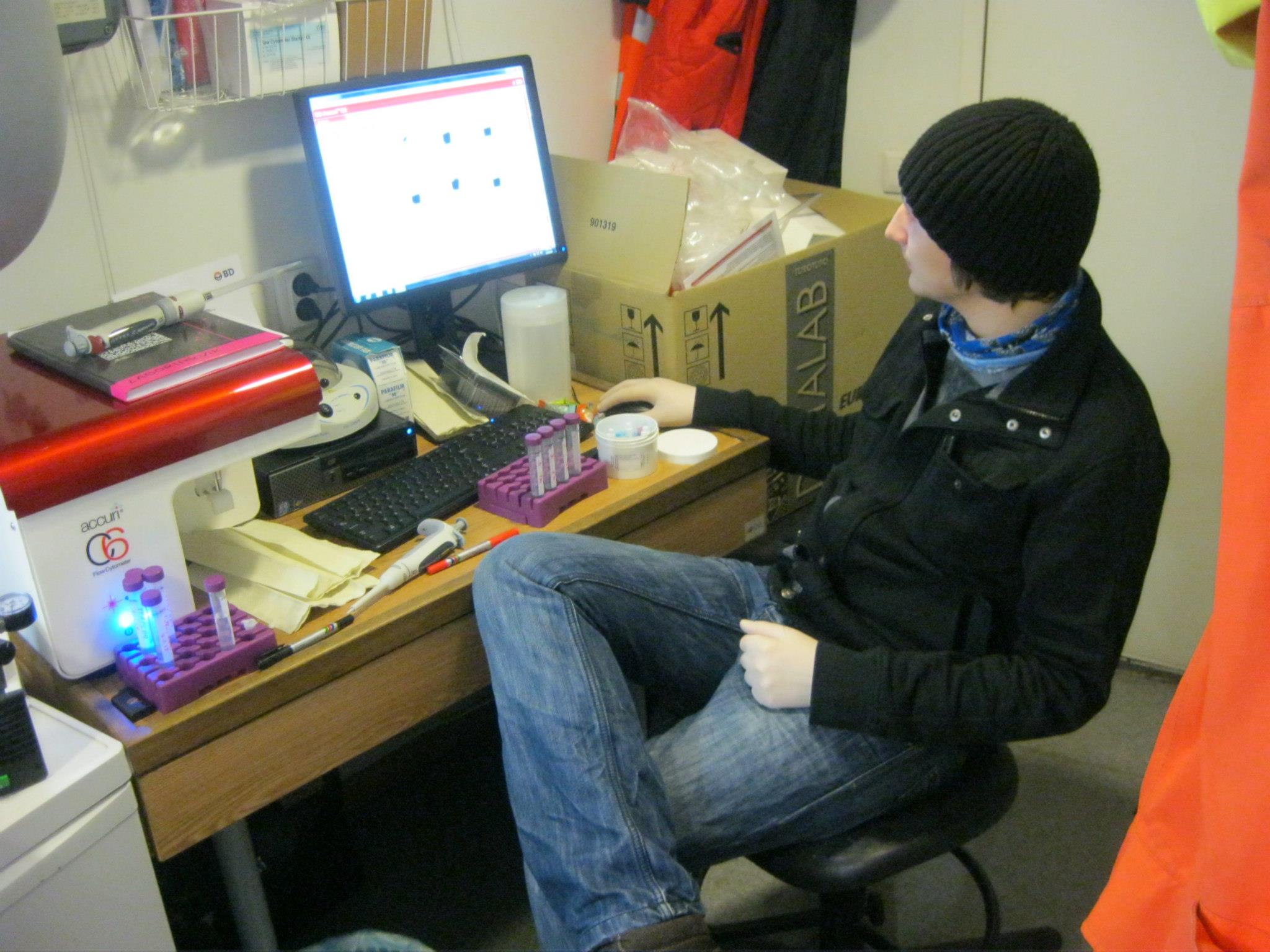
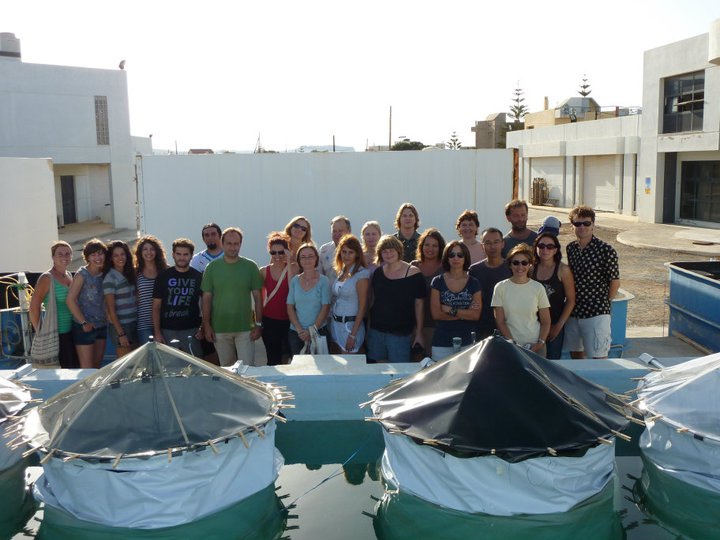
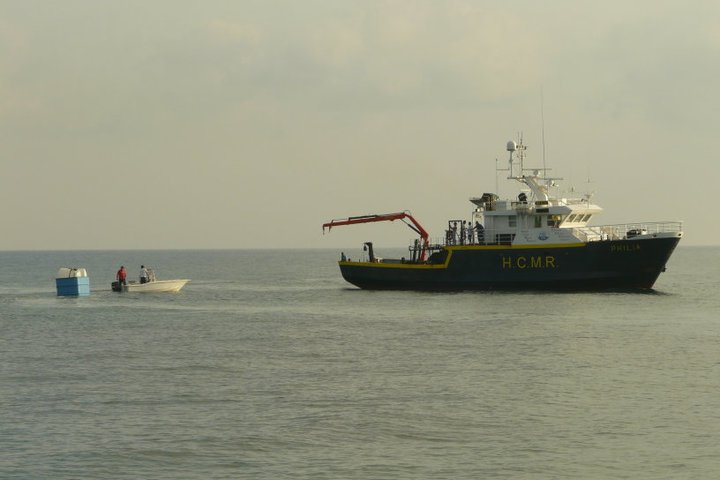
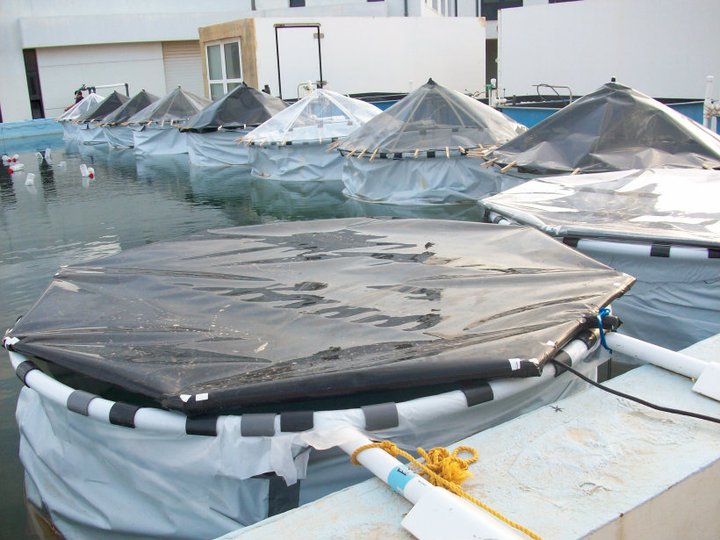
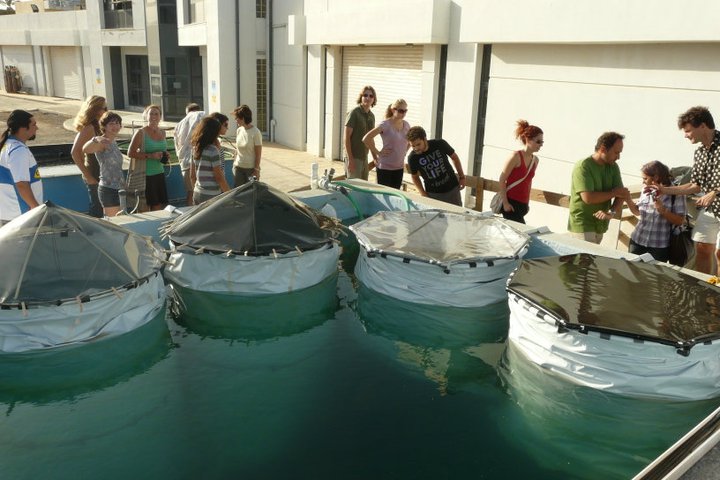
.jpg)